
Category: Student Housing

  • Your First Week in a Shared Student Home

    Your First Week in a Shared Student Home

    Make the first evening simple

    After travelling, your first task is to make the space usable rather than perfect. Find your keys, bedding, chargers, and basic washing items. Learn how to enter and leave the building, and confirm whom to contact if something essential does not work. A simple meal and a reasonable night’s rest are more valuable than completing every arrival task immediately.

    Keep a short list of anything you discover while unpacking. Separate urgent issues from ordinary purchases and optional improvements. This prevents small observations from becoming an overwhelming mental checklist. If you need to report a problem, describe what you can observe, include the location, and use the agreed contact method. Keep the message factual and save the response.

    AI illustration of a welcoming student room overlooking a Dutch street
    Illustrative living space, not a rental listing.

    Learn the household before changing it

    Introduce yourself to the people who share the home and ask how everyday tasks are organised. Find out where shared supplies belong, how cleaning is divided, and what the usual expectations are around guests and quiet time. A friendly question often reveals an arrangement that would otherwise remain invisible until someone becomes frustrated.

    Explain your own routine without presenting it as a rule for everyone else. You might have an early class, a regular online meeting, or a preference for cooking at a particular time. Invite a conversation about practical compromises. If an agreement is useful to remember, write it in a shared place with everyone’s understanding rather than relying on several different memories of the same discussion.

    Create a few familiar routes

    Choose a small set of destinations to learn first: campus, a grocery shop, a transport stop, and somewhere you can take a break. Try the campus journey before an important appointment if you can. Notice the practical details, such as where you enter the building and how much time you need to get from the entrance to your room.

    You do not need to explore the entire city during your first week. Repeat a useful route until it feels familiar, then add another. Keep your home address accessible and make a note of a nearby landmark. These ordinary habits can reduce the effort of daily errands while you are also learning a new academic environment and meeting new people.

    A compact bedroom with a wooden desk and wardrobe
    Photo: Firman Marek_Brew / Pexels. Illustrative interior.

    Review what is working

    At the end of the week, take fifteen minutes to review your notes. Which tasks are finished? Which questions still need an answer? Is the study space working, and are household arrangements clear? Choose a few realistic actions for the following week instead of carrying every unfinished idea forward with equal urgency.

    Stay connected with people beyond the house as well. Your institution’s welcome activities and student services can help you understand local routines and find the right support when needed. Follow official instructions for any administration relevant to your circumstances. Settling in is a process, not a performance you must complete instantly. A comfortable home grows through clear communication, small adjustments, and time to discover what works for you.
  • When a Housing Listing Needs a Closer Look

    When a Housing Listing Needs a Closer Look

    Notice missing information

    A housing advertisement should give you enough information to begin asking specific questions. If the location, exact room, dates, or contact process is unclear, record what is missing. An incomplete advertisement is not proof of fraud, but it is a reason to seek clarification. Avoid turning a hopeful assumption into a confirmed fact simply because the photographs look appealing.

    Compare the advertisement with the messages you receive. Do the descriptions refer to the same property and the same period? Are the photographs explained consistently? Keep copies of the material you are using to make a decision. A clear record is more useful than a vague feeling that something seemed different when you first read the listing.

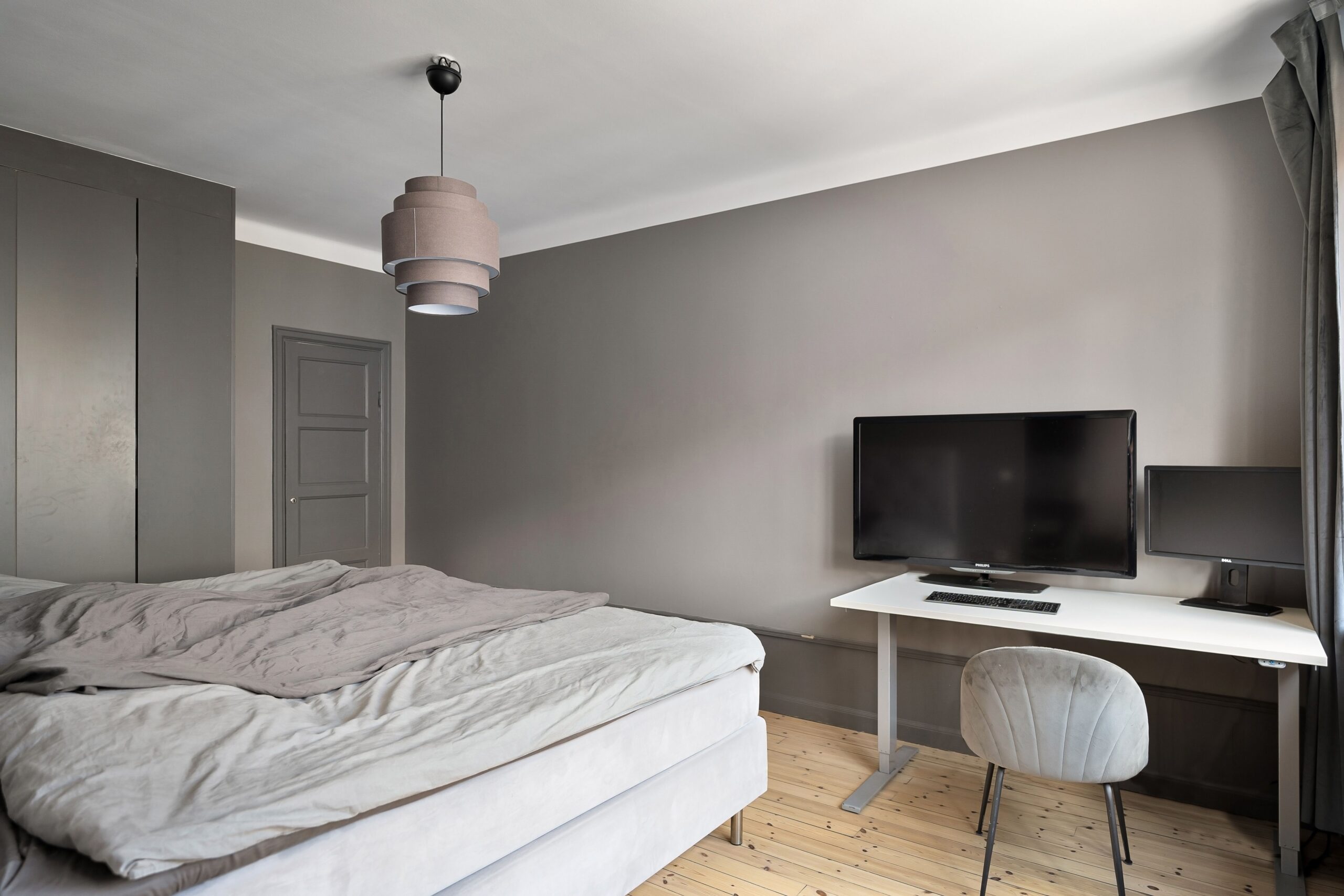
    A bedroom combining a bed with a computer workspace
    Illustrative living space, not a rental listing.

    Slow down when pressure replaces answers

    Urgency can make it harder to evaluate information carefully. If a conversation repeatedly pushes you to act before basic questions are answered, pause and return to your checklist. Ask for the specific detail you need in a clear written message. Notice whether the response addresses the question or simply repeats the pressure to move forward.

    Do not interpret a confident tone, a professional-looking image, or a familiar logo as verification by itself. Equally, avoid accusing someone without evidence. The practical response to uncertainty is to seek independent clarification and preserve your records. You can decide that an option is not suitable for you without claiming to know the other person’s intentions.

    Verify through an independent route

    Where a listing claims a connection to an organisation, use that organisation’s independently located official contact information to ask about the process. Do not rely only on contact details supplied in the message you are trying to check. Explain what you want to verify without forwarding unnecessary personal information. Keep the question focused on the property or procedure.

    For a viewing, seek a clear opportunity to see the actual accommodation and ask questions in real time. Study in NL advises seeing the room before signing and suggests an online tour when needed. Read the official housing guidance and your institution’s current advice. A checklist can support your judgement, but it cannot certify a listing or guarantee that a transaction is safe.

    A compact bedroom with a wooden desk and wardrobe
    Photo: Firman Marek_Brew / Pexels. Illustrative interior.

    Ask for help with the actual evidence

    If you remain concerned, contact your institution’s housing support or an appropriate local service. Prepare a concise account of what happened, the dates, the advertisement, and the questions that were not answered. Share only what the service needs through its proper channel. Clear evidence helps a support person understand the situation more quickly than a long collection of unrelated screenshots.

    If money or sensitive information has already been involved, seek guidance from the relevant provider or authority about your specific situation. This article does not investigate complaints or provide individual legal advice. Your next practical step is to mark uncertain details, stop treating them as confirmed, and ask someone independent to help you assess the evidence before taking further action.

  • Build a Housing Budget You Can Actually Compare

    Build a Housing Budget You Can Actually Compare

    Start with categories instead of guesses

    A useful housing budget separates the costs you expect to repeat from the costs connected to moving. Begin with categories rather than copying a single monthly figure from an advertisement. Record rent, any separately stated services, transport, household supplies, and your own everyday spending needs. Use the provider’s actual information where available and label uncertain figures as estimates.

    This article is an organisational exercise, not a recommendation about what you can afford. Your resources and responsibilities are personal. The goal is to make the information visible so that you can compare options and identify missing details. A clear budget should help you ask better questions, not make an uncertain offer look more precise than it really is.

    AI illustration of a welcoming student room overlooking a Dutch street
    Illustrative living space, not a rental listing.

    Separate recurring and one-time costs

    Make one section for recurring costs and another for one-time costs. Moving supplies, initial furniture, and other arrival purchases belong in a different part of your plan from regular household spending. If a payment may be returned later, record it separately rather than treating it as money available for daily use. Check the actual terms instead of assuming how a payment works.

    Ask which services are included in the advertised amount and which are handled separately. Record the wording of the answer. If a charge is described as an estimate or advance, preserve that description in your notes and ask how it is reviewed. Do not treat a headline rent as the complete cost of living in a particular room.

    Compare the same information for every option

    Use identical columns for each property: stated rent, other stated charges, included furniture, expected travel needs, one-time purchases, and unresolved questions. Leave an unknown amount visibly unknown. A blank labelled to confirm is more honest and useful than an invented zero. This makes the comparison easier to update after a viewing or a reply.

    Consider ordinary routines alongside the numbers. A place that requires a different journey to campus may change how you travel and organise your day. A room without essential furniture may require more planning at arrival. These factors do not automatically make an option unsuitable, but they belong in the comparison. Write a brief explanation beside each assumption so that you remember why it was included.

    A compact bedroom with a wooden desk and wardrobe
    Photo: Firman Marek_Brew / Pexels. Illustrative interior.

    Review the plan before committing

    Read the budget again when new information arrives. Check whether dates, included items, or payment descriptions have changed. Keep the current version separate from old notes so that you do not accidentally compare an updated offer with an outdated estimate. If someone else is helping you plan, show them the assumptions as well as the totals.

    For questions about the legality of charges, contractual obligations, or eligibility for financial support, consult the relevant official service or a qualified adviser using your actual circumstances. This guide does not calculate benefits or determine legal entitlements. Your immediate next step is to build the two sections, enter only information you can explain, and list the three cost questions you need answered before comparing rooms.

  • A Student Room Viewing Checklist That Goes Beyond Photos

    A Student Room Viewing Checklist That Goes Beyond Photos

    Prepare three priorities before the visit

    Before a viewing, identify the three things most important to your daily routine. You might prioritise a quiet study space, usable shared cooking facilities, and a manageable campus journey. Write them down alongside the advertisement so that attractive styling does not distract you from practical needs. Bring a way to take notes and ask permission before photographing private areas.

    Read your earlier conversation again. Note which questions were answered and which remain open. A viewing is an opportunity to connect descriptions with the actual space, not simply to collect more pictures. If the viewing is online, arrange a live conversation and ask to see the relevant areas clearly. Treat unclear or missing information as something to resolve, not something to fill in with assumptions.

    A bedroom combining a bed with a computer workspace
    Illustrative living space, not a rental listing.

    Observe how the room would function

    Look at the room as a place where you would sleep, dress, study, and store belongings. Check the position of the desk, available daylight, storage, and the furniture actually included. Ask how the heating and ventilation are operated. If something seems damaged or difficult to use, describe it neutrally and ask who is responsible for addressing it.

    Pay attention to the difference between a furnished photograph and the agreed inventory. A lamp, chair, or mattress may belong to the current resident. Ask which items will remain at handover. You do not need to test everything without permission, but you should understand what you are being offered. Record important answers rather than relying on memory after several similar visits.

    Ask about the shared household

    Request a clear explanation of which areas are shared and how many people use them. Ask about cleaning arrangements, laundry access, shared supplies, visitors, and quiet periods. These are ordinary household questions, not a demand that everyone follow your preferences. Listen for whether the household can explain its routines and whether those routines are compatible with yours.

    Consider practical access as well. Where are bicycles stored? How do residents receive parcels? Who should be contacted if a key stops working or an appliance fails? Ask what the process is rather than assuming that the person showing the room will always be available. A home includes the systems around the room as much as the room itself.

    A compact bedroom with a wooden desk and wardrobe
    Photo: Firman Marek_Brew / Pexels. Illustrative interior.

    Review before making a decision

    Immediately after the viewing, write a short summary with three categories: observed, explained, and still unconfirmed. This distinction prevents a friendly impression from becoming a false certainty about details. Compare your notes with your original priorities and the written advertisement. If something important differs, request clarification before treating the option as ready for a decision.

    Do not let the viewing checklist replace reading the actual agreement or obtaining advice when needed. It is a practical observation tool, not a technical inspection or legal assessment. Your next action may be a follow-up question, another viewing, or a decision that the place does not suit you. A useful viewing gives you clearer information, even when you choose not to proceed.

  • Write a Clear First Message to a Housing Provider

    Write a Clear First Message to a Housing Provider

    Read the advertisement before replying

    A good first message begins with attention. Read the full advertisement and note the property reference, advertised dates, included facilities, and any stated application instructions. If a detail is already clear, do not ask the recipient to repeat it. Instead, focus on information that genuinely affects whether the accommodation could work for you.

    Check whether the advertisement asks you to use a particular contact channel. Keep the conversation connected to the original listing where possible so that you can find it again. Before writing, make a short note of why this place appears relevant. This encourages a specific introduction rather than a message that could have been sent to any property in any city.

    AI illustration of a welcoming student room overlooking a Dutch street
    Illustrative living space, not a rental listing.

    Keep the introduction useful and brief

    Introduce yourself with your name, study context, and intended period of stay. Explain your interest in the particular room and state when you are available for a viewing. You do not need to describe your entire background. A clear paragraph that answers the obvious practical questions is easier to read than a long message with several unrelated details.

    Use a respectful tone and ordinary language. Avoid exaggerated claims about being the perfect tenant or promises you cannot confidently keep. If you are flexible about a date, explain the actual range rather than saying any time. Specific information helps the recipient understand whether your plans fit the offer and reduces the need for repeated clarification.

    Adapt this example to your circumstances

    Here is an illustrative structure: Hello, my name is Alex. I will be studying in your city and am looking for a room from my planned arrival date for the academic period. I am interested in the room in your advertisement because the location suits my campus journey. Is the room still available, and would it be possible to arrange a viewing? Thank you for your time.

    Replace every general phrase with accurate information before sending. Add one important question if the advertisement leaves it unanswered, such as whether the desk shown in the photograph is included. Do not copy the example as a fictional biography. The message should reflect your real plans, and its purpose is to start a conversation rather than complete every stage of an application.

    A compact bedroom with a wooden desk and wardrobe
    Photo: Firman Marek_Brew / Pexels. Illustrative interior.

    Follow up with a clear record

    After sending, record the date and the listing reference. If you follow up, keep it polite and connect it to the earlier message. Avoid sending repeated messages across several channels at the same time. When you receive a response, read it carefully and answer the actual question before introducing new topics. Confirm any viewing arrangements in a form you can refer to later.

    Be thoughtful about requests for personal documents. Ask what is required and why, and verify the recipient and process before sharing sensitive information. This article is about communication, not a guarantee that a particular contact is legitimate. Your next step is to write a short introduction, check every factual detail, and tailor it to one real advertisement you have already read.

  • Start Your Housing Search Before You Travel

    Start Your Housing Search Before You Travel

    Write a one-page search brief

    Begin with a page that describes what you are looking for. Include the city where you will study, your expected arrival period, intended length of stay, and the furniture you need. Add your preferred way of travelling to campus. This brief is for your own organisation, so keep it clear rather than trying to make it sound like an application.

    Separate information you know from information you still need to confirm. A course start date may be fixed while your travel date is flexible. A list that shows this difference helps you respond accurately when someone asks about availability. Update the brief when your circumstances change, and use it as the starting point for messages and comparisons.

    A bedroom combining a bed with a computer workspace
    Illustrative living space, not a rental listing.

    Create a repeatable search routine

    Choose a small number of relevant sources and a regular time to review them. Your institution’s current housing information is a useful starting point. Avoid opening so many tabs that you cannot remember which advertisements you have already checked. Keep a simple record with the property reference, source, date, contact status, and next action.

    A routine should be manageable alongside your studies and travel preparations. For example, you could review new listings, reply to existing conversations, and update your notes in one focused session. At the end, identify the next task and stop. If your approach produces no useful replies, review your search area, message clarity, and requirements rather than simply spending more hours repeating the same process.

    Prepare information without oversharing

    Keep commonly requested information organised so you can respond accurately. You may need to explain your study plans, intended stay, and availability for a viewing. However, being prepared does not mean sending every personal document to everyone who replies. Understand who is asking, why the information is needed, and which channel is appropriate before sharing anything sensitive.

    Draft a short introduction that you can adapt to each advertisement. Mention the specific property and ask one or two relevant questions that are not already answered. Check names, dates, and references before sending. Keep a copy of the version you actually sent, because a saved template may not reflect the details of a particular conversation.

    A compact bedroom with a wooden desk and wardrobe
    Photo: Firman Marek_Brew / Pexels. Illustrative interior.

    Make a plan for unresolved questions

    Keep a separate list of questions that affect your decision: the exact room, included furniture, shared facilities, total stated costs, and possible handover arrangements. Mark an item as confirmed only when you have a clear answer. If a reply is vague, ask a shorter, more specific follow-up instead of guessing what the person meant.

    Discuss your housing situation with your institution before travelling if it remains unresolved. Study in NL advises students to arrange accommodation before arrival because of the housing shortage. This guide cannot guarantee availability, but a written process can make your search easier to review. Your practical next step is to create the brief, choose your sources, and schedule your first organised search session.