
Choose a home around your routine
Before you compare advertisements, describe the life your home needs to support. Write down your campus location, study schedule, preferred travel options, and usual bedtime. Think about whether you need a quiet workspace in your room or prefer to study elsewhere. These details help you ask better questions and avoid choosing only by appearance.
Turn that description into two short lists: essentials and preferences. An essential is something you cannot reasonably compromise on; a preference is something you would enjoy. Keep the lists realistic and revisit them after several viewings. If every room fails the same preference, consider whether changing that preference could open useful options without sacrificing your wellbeing.
Understand the space you would share
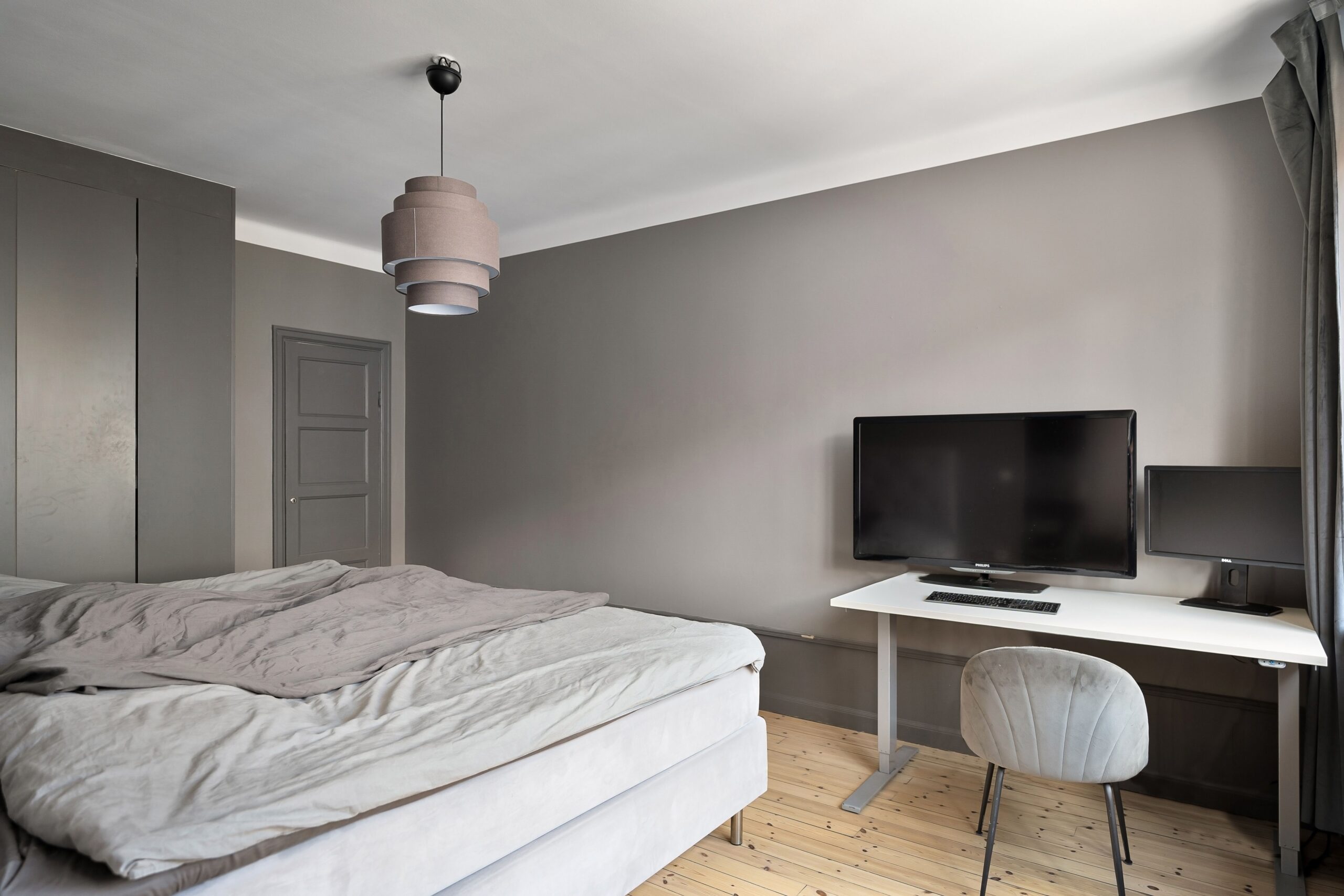
A private bedroom does not necessarily mean a private kitchen or bathroom. Ask which spaces belong exclusively to you and which are shared, then establish how many people use them. Check whether the photographs show the exact room being offered, a similar room, or a staged example. Ask for an explanation whenever the description and images seem inconsistent.
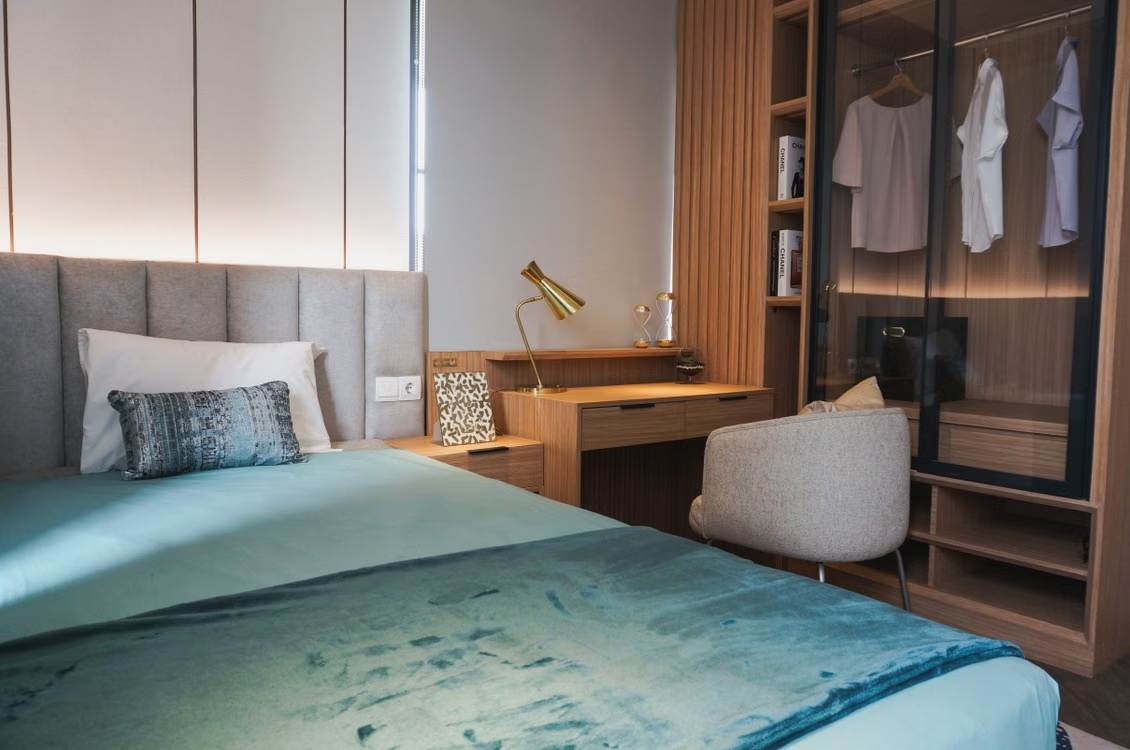
Make a simple inventory of what is included: bed, mattress, desk, chair, wardrobe, lighting, curtains, and kitchen equipment. The word furnished can mean different things to different people. Record the answer for each item instead of treating it as a single yes-or-no question. This also helps you plan what to bring and what you may need to source after arrival.
Compare complete options
Create one comparison sheet with a row for every place. Include the advertised rent, other stated charges, travel time, proposed move-in date, furniture, shared facilities, and unanswered questions. Mark uncertain information clearly. A number copied from an advertisement is different from a cost that has been confirmed in writing. Your notes should preserve that distinction.
Consider the surrounding area as part of the decision. Look at the route you would actually use to reach campus, shops, and public transport. When possible, visit at a time that resembles your ordinary day. Ask yourself whether the journey feels manageable with groceries, in poor weather, or after an evening class. Convenience is personal, and the shortest distance is not always the most useful route.
Keep a record and know where to ask
Save the advertisement, correspondence, and viewing notes in a folder named for the property. After each conversation, write a short summary while the details are fresh. Note the next action, the person responsible, and any date you have agreed. This prevents important information from disappearing across different apps and makes follow-up messages easier to write.
Use your institution’s housing team as a starting point for current local information. For national context, read Study in NL’s housing guidance. This page is a planning tool, not a check that a particular listing or provider is trustworthy. If a question concerns a contract or your legal position, take the actual documents to a qualified local adviser rather than relying on a general checklist.