
Prepare three priorities before the visit
Before a viewing, identify the three things most important to your daily routine. You might prioritise a quiet study space, usable shared cooking facilities, and a manageable campus journey. Write them down alongside the advertisement so that attractive styling does not distract you from practical needs. Bring a way to take notes and ask permission before photographing private areas.
Read your earlier conversation again. Note which questions were answered and which remain open. A viewing is an opportunity to connect descriptions with the actual space, not simply to collect more pictures. If the viewing is online, arrange a live conversation and ask to see the relevant areas clearly. Treat unclear or missing information as something to resolve, not something to fill in with assumptions.
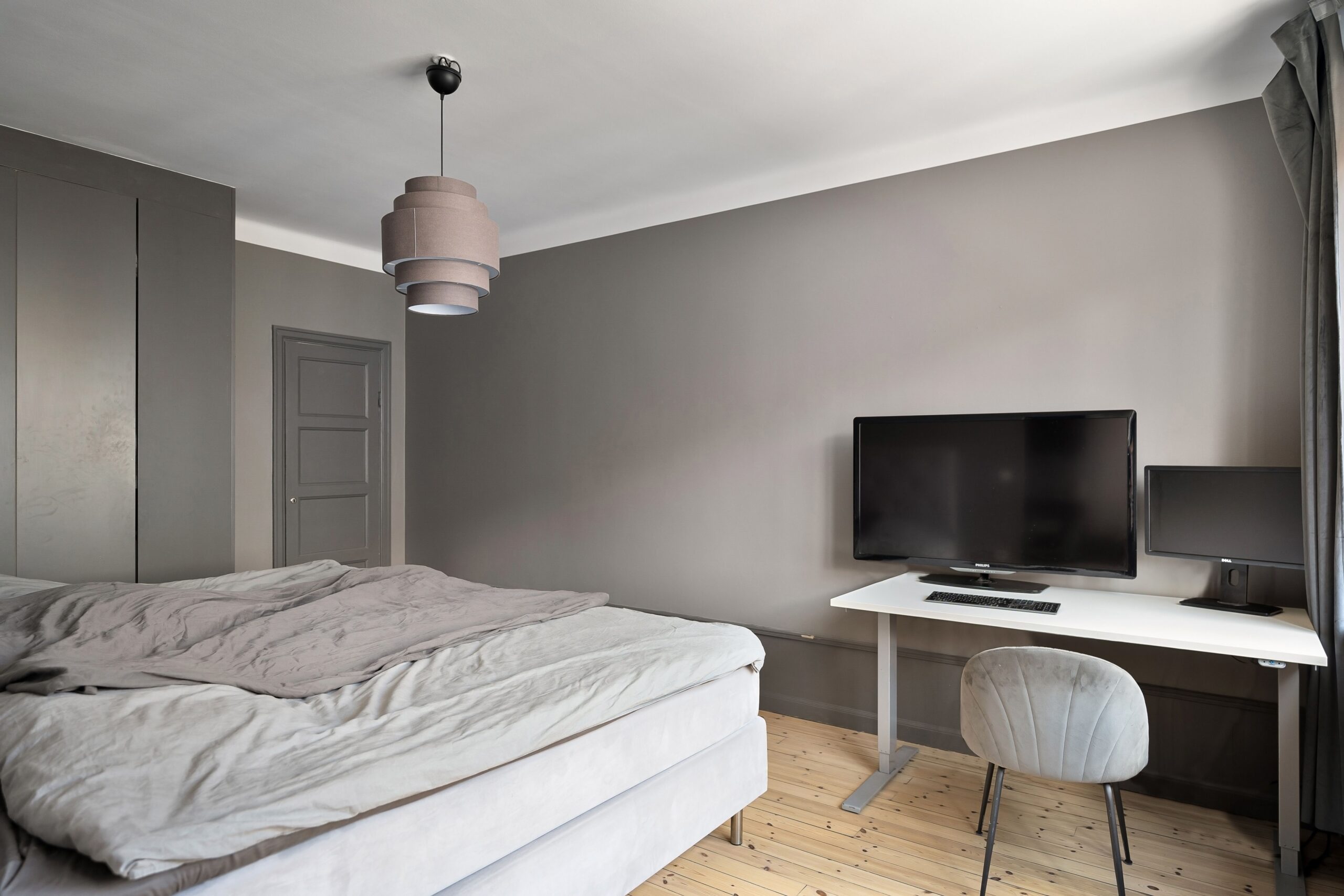
Observe how the room would function
Look at the room as a place where you would sleep, dress, study, and store belongings. Check the position of the desk, available daylight, storage, and the furniture actually included. Ask how the heating and ventilation are operated. If something seems damaged or difficult to use, describe it neutrally and ask who is responsible for addressing it.
Pay attention to the difference between a furnished photograph and the agreed inventory. A lamp, chair, or mattress may belong to the current resident. Ask which items will remain at handover. You do not need to test everything without permission, but you should understand what you are being offered. Record important answers rather than relying on memory after several similar visits.
Ask about the shared household
Request a clear explanation of which areas are shared and how many people use them. Ask about cleaning arrangements, laundry access, shared supplies, visitors, and quiet periods. These are ordinary household questions, not a demand that everyone follow your preferences. Listen for whether the household can explain its routines and whether those routines are compatible with yours.
Consider practical access as well. Where are bicycles stored? How do residents receive parcels? Who should be contacted if a key stops working or an appliance fails? Ask what the process is rather than assuming that the person showing the room will always be available. A home includes the systems around the room as much as the room itself.
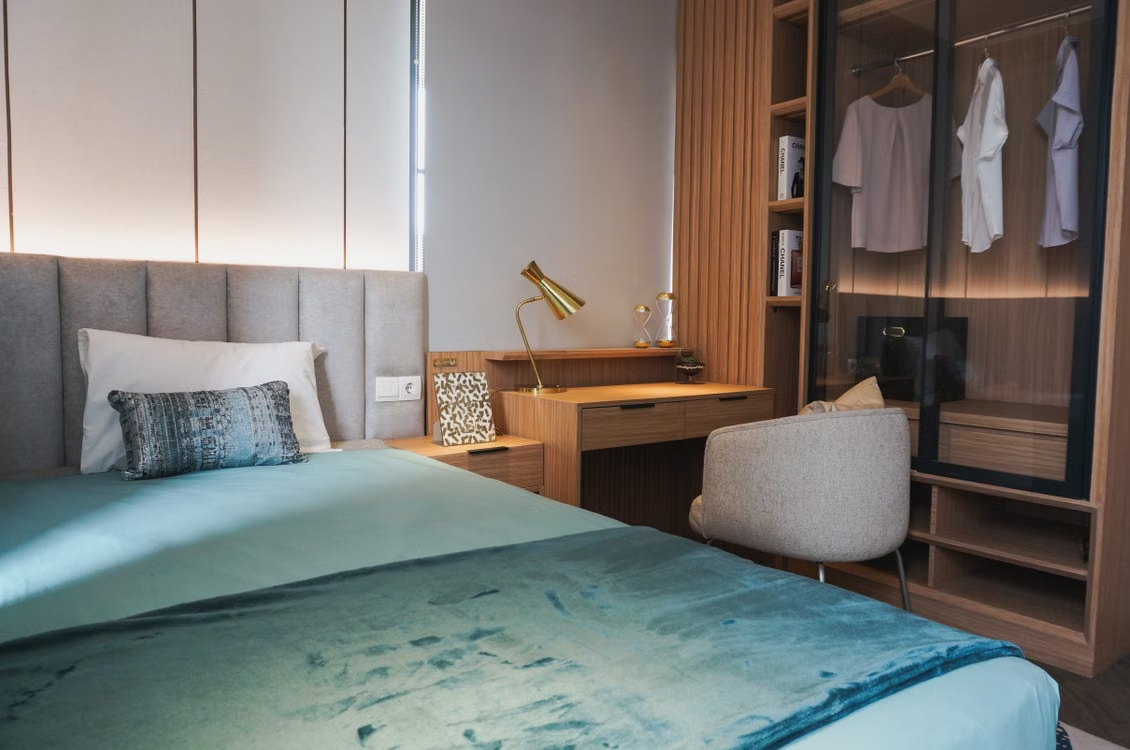
Review before making a decision
Immediately after the viewing, write a short summary with three categories: observed, explained, and still unconfirmed. This distinction prevents a friendly impression from becoming a false certainty about details. Compare your notes with your original priorities and the written advertisement. If something important differs, request clarification before treating the option as ready for a decision.
Do not let the viewing checklist replace reading the actual agreement or obtaining advice when needed. It is a practical observation tool, not a technical inspection or legal assessment. Your next action may be a follow-up question, another viewing, or a decision that the place does not suit you. A useful viewing gives you clearer information, even when you choose not to proceed.